
Ask most homeowners how often gutters should be cleaned and you will hear the same answer: twice a year, once in spring and once in fall. That advice comes from parts of the country where trees drop their leaves in one big rush each autumn and the gutters sit quietly through a cold winter.
Central Florida does not work that way. Trees here shed through much of the year, the rainy season brings heavy storms almost every afternoon for months, and warm, humid weather means anything left sitting in a gutter starts to break down, hold water, and grow. The right cleaning schedule for a home in Sanford, Lake Mary, or Winter Park depends less on the calendar and more on what is growing around the house.
A sensible schedule starts with what actually fills Central Florida gutters, then adjusts for how much tree cover a home has, the warning signs that a cleaning is overdue, and what a thorough professional cleaning should include.
Why the Usual Twice a Year Rule Falls Short Here
The twice a year rule assumes two things: that most debris arrives in one season, and that the gutters will not be under much pressure the rest of the time. Neither is true in Central Florida.
First, debris arrives on several schedules at once. Live oaks drop their old leaves in spring as new growth comes in. Pines shed needles through much of the year. Many palms, magnolias, and landscape trees drop seed pods, flowers, and fronds at their own times. Windblown debris from storms adds to the total whenever weather moves through.
Second, the gutters work hard for a large part of the year. The rainy season brings frequent heavy downpours, and the hurricane season stretches from June through November. A gutter that is half full of debris in July is a gutter that will overflow during the next afternoon storm, not one that can wait until fall.
Third, the climate speeds up the problems that debris causes. Wet leaves and needles break down into a dense sludge that holds water against the metal. Standing water in a clogged gutter becomes a breeding spot for mosquitoes in Florida's humidity. The longer debris sits, the more it does.
What Actually Fills Central Florida Gutters
Knowing what lands on your roof helps you understand how quickly your gutters will fill.
Oak Leaves
Live oaks are everywhere in Central Florida neighborhoods, and they are a major source of gutter debris. Their small, stiff leaves pile up quickly and pack tightly in the bottom of the trough, especially around downspout outlets.
Pine Needles
Pine needles are one of the most stubborn kinds of debris. They are thin enough to slip through some types of gutter guards, they weave together into mats, and they cling to downspout openings. Homes under pines often need more frequent attention than homes under broadleaf trees.
Seed Pods, Flowers, and Fronds
Many ornamental and native trees drop seed pods, catkins, berries, or flowers. These tend to collect at corners and outlets. Palm fronds and their fibers can also end up in gutters, particularly after a windy day.
Roof Granules and Sediment
Even a house with no trees nearby collects debris. Asphalt shingles shed granules over time, and dust and windblown sediment wash off the roof with every rain. This fine material settles in the bottom of the gutter, where it can hold moisture and slowly build up.
Storm Debris
After a strong storm, gutters can fill with small branches, clumps of leaves, and debris carried in from elsewhere in the neighborhood. A single storm can load a gutter with more debris than it would collect in months of normal weather.
A Practical Cleaning Schedule by Home Type
There is no single right number for every home, but these general patterns are a useful starting point. Treat them as a guide and adjust based on what you see.
Homes With Little or No Tree Cover
If there are no trees overhanging the roof and few trees nearby, your gutters mostly collect roof granules, dust, and occasional windblown leaves. A cleaning once or twice a year, with one visit timed before the rainy season, is usually enough. A quick check after any major storm is still a good idea.
Homes With Moderate Tree Cover
If you have a few trees near the house, or neighboring trees that drop debris on your roof, plan on cleaning two to three times a year. Time one cleaning for late spring, after the oaks have dropped their leaves and before the rainy season, and another for fall, after storm season winds down.
Homes Under Heavy Tree Cover
If your roof sits under mature oaks or pines, gutters can fill in a matter of weeks during peak shedding. Three or four cleanings a year is common for these homes, and some need more. These are also the homes where a gutter guard system often makes the most sense, because it reduces how quickly the gutters fill between visits.
Homes With Pool Cages or Screened Lanais
The super gutter that runs along the top of a pool cage or screened enclosure collects runoff from the main roof, and it often collects debris as well. Include it every time the main gutters are cleaned. When a super gutter overflows, water spills onto the screen, the deck, and anything underneath.
Warning Signs Your Gutters Need Cleaning Now
Whatever your schedule says, your home will tell you when the gutters need attention. Watch for these signs, especially during or just after a rain.
- Water spilling over the front edge of the gutter during an ordinary storm
- Downspouts that trickle or stay dry while the gutter overflows
- Plants, weeds, or small seedlings growing out of the gutter
- Gutters that sag or appear to pull away from the roofline
- Water stains or streaks on the fascia, soffit, or exterior walls
- Mulch washing out or soil eroding beneath a section of gutter
- Mosquitoes collecting around the roofline or standing water visible in the gutter
- Birds or pests nesting in or around the gutters
Any one of these is a reason to look more closely. Several at once usually mean the system is clogged and has been for a while.
Why Skipping Cleanings Costs More Later
It is easy to put gutter cleaning off. The gutters are out of sight, and the damage from clogged gutters builds slowly. Even so, the repairs that follow neglected gutters are almost always more expensive than the cleanings that would have prevented them.
When a gutter overflows, water runs down the fascia and soffit, where it can soften wood, peel paint, and eventually lead to rot. Water spilling over the edge lands right against the house, where it can erode landscape beds, splash against stucco, and soak the soil next to the foundation. The added weight of wet debris and standing water strains the hangers and can cause sections to sag or pull loose.
Debris that sits for months also holds moisture against the gutter itself. Over time, that can contribute to corrosion and wear at the seams and fasteners. A regular gutter cleaning catches these issues early, while they are still small.
Doing It Yourself Versus Hiring a Professional
Some homeowners clean their own gutters, and on a single story home with easy access that can be reasonable. If you do it yourself, use a sturdy ladder on stable ground, have someone with you, wear gloves, and never lean out past the ladder. Scoop debris out by hand or with a gutter scoop rather than pushing it toward the downspout, then flush the downspouts with water to confirm they drain.
There are also good reasons to hand the job to a professional. Two story homes, steep roofs, and long rooflines make ladder work riskier. Copper gutters and premium finishes can be scratched or discolored by the wrong tools. A professional visit usually includes an inspection, which is something most homeowners are not set up to do from a ladder.
What a Thorough Professional Cleaning Includes
Not every cleaning is the same. A quick pass with a leaf blower can leave sediment in the trough and clogs in the downspouts. When Storm Solutions cleans gutters, a visit includes:
- Hand removal of leaves, twigs, seed pods, and standing sediment from every gutter run
- Downspout flushing to clear blockages and confirm free flowing drainage
- A visual inspection for loose fasteners, separated seams, or early rust and corrosion
- A fascia and soffit check where the gutters attach, flagging soft spots or water staining
- Debris bagged and hauled away, never left on the lawn or in landscape beds
- A written summary noting any repairs worth addressing before the next storm
That inspection is a big part of the value. Catching a loose hanger or a leaking corner during a routine cleaning is far better than discovering it during a storm.
Will Gutter Guards Let You Clean Less Often?
For homes under heavy tree cover, gutter guards can reduce how often the gutters fill and how much debris collects between cleanings. A good guard keeps most leaves and larger debris out while letting water through.
Guards do not make a gutter system maintenance free. Fine debris, pollen, and pine needles can still collect on top of or inside some guards, and downspouts still need to stay clear. Most homes with guards still benefit from periodic inspection and cleaning, just less often.
The right guard depends on what falls on your roof. A home under pines needs a different kind of protection than a home under oaks. Storm Solutions installs several gutter guard and leaf guard systems and can recommend one based on your trees and roofline.
Pair Cleaning With a Look at the Whole System
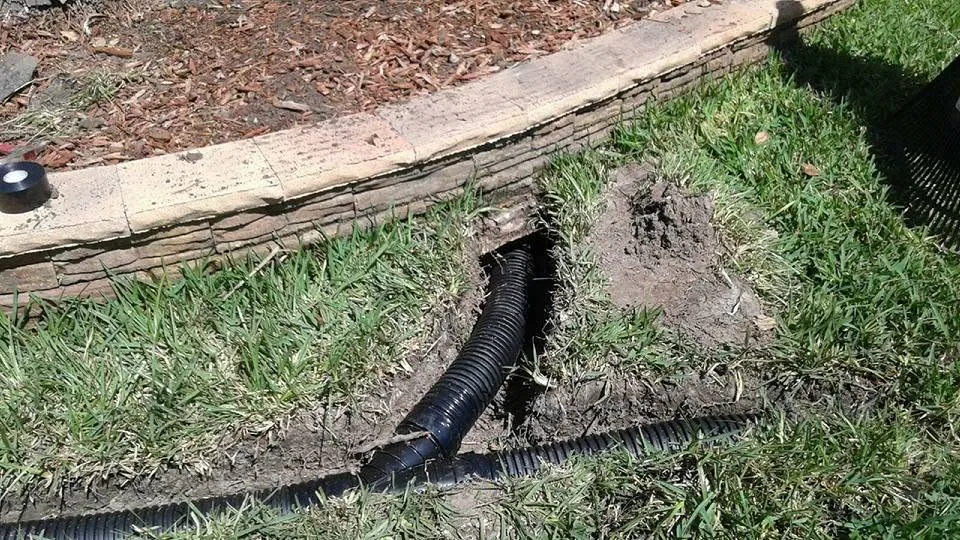
A cleaning is the right moment to ask bigger questions about how your gutters are performing. If certain sections overflow even when they are clean, the system may be undersized for the roof. If water pools near the foundation after every storm, the downspouts may need to discharge farther from the house, or the property may benefit from underground drainage. If the same joints keep leaking, a gutter repair visit can address the cause rather than the symptom.
Regular cleaning keeps a good gutter system working. It also tells you when a system needs more than cleaning.
Set a Schedule That Fits Your Home
The best gutter cleaning schedule is the one that matches your trees, your roof, and the way your home handles rain. For most Central Florida homes, that means more than the twice a year rule suggests, with at least one visit before the rainy season and a check after any major storm.
Storm Solutions has cleaned, repaired, and installed gutters across Central Florida since 2006. Call (407) 832-5183 to schedule a gutter cleaning or talk through a cleaning schedule that fits your home.